HYDROGEN-HYBRID SYSTEMS FOR MARITIME.

Discuss your vessel

RETROFIT THE ENGINE.
KEEP THE VESSEL.

A compact marine-ready architecture connects hydrogen supply, intelligent control and proven diesel power.

CONTROLLED POWER.
LOWER CONSUMPTION.

Newlight continuously adapts hydrogen delivery to changing vessel demand—reducing diesel consumption and emissions from the first voyage.

30%potential diesel reduction
RINAFAT validated
100%diesel capability retained

Backed by leaders in energy & maritime innovation

BIRD Foundation
United States Department of Energy
Israeli National Center of Blue Economy
Israel Ministry of Energy
Lomar Labs
United Nations
HiCenter

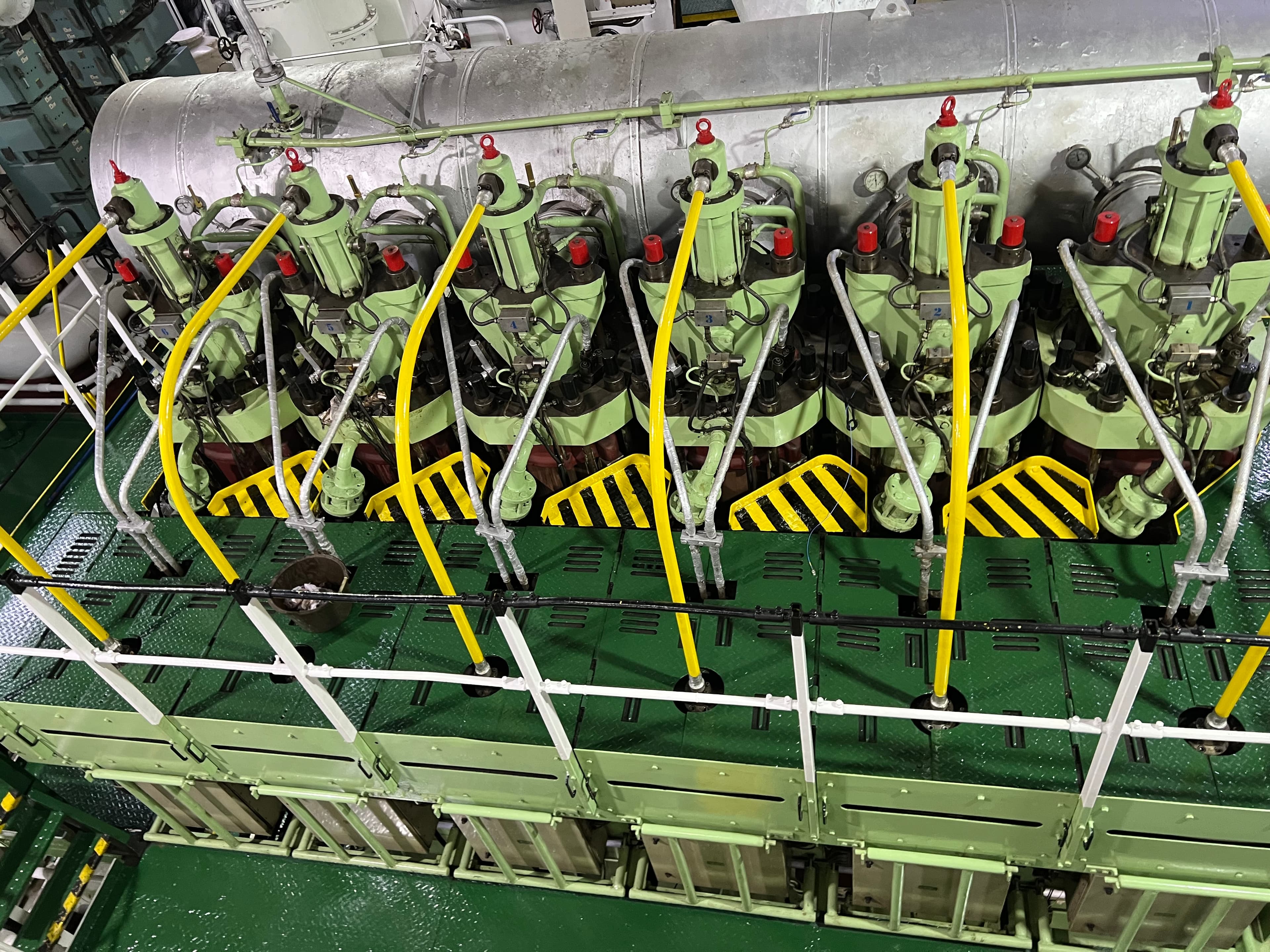
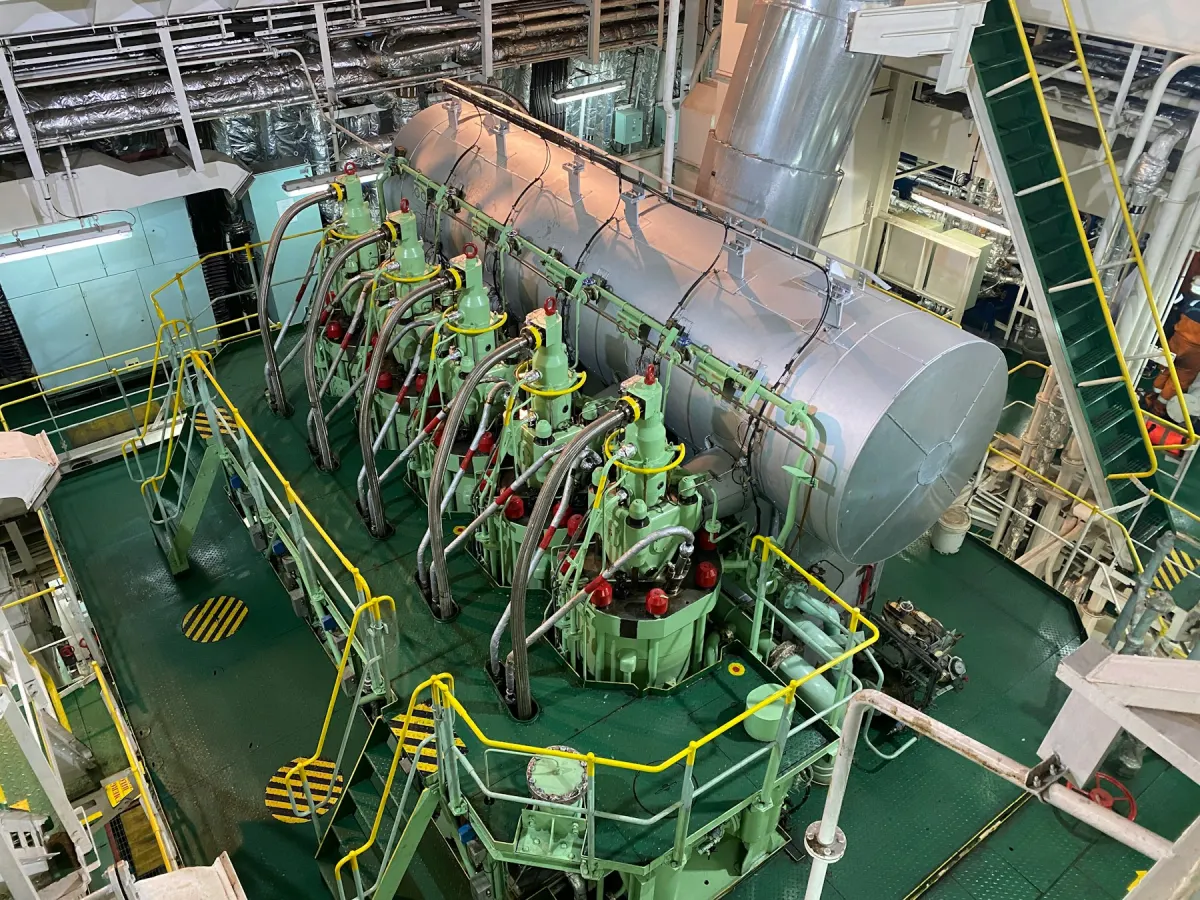
Hydrogen integrated with existing diesel engines.

  1. Hydrogen supply

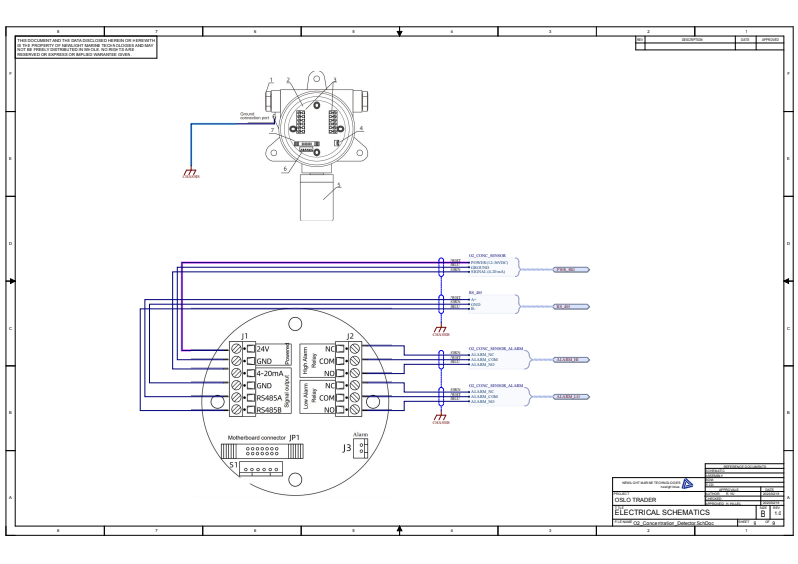
    Hydrogen is delivered from onboard storage at a controlled pressure, ready to supplement diesel without replacing the vessel's existing fuel system.

  2. Hydrogen Control

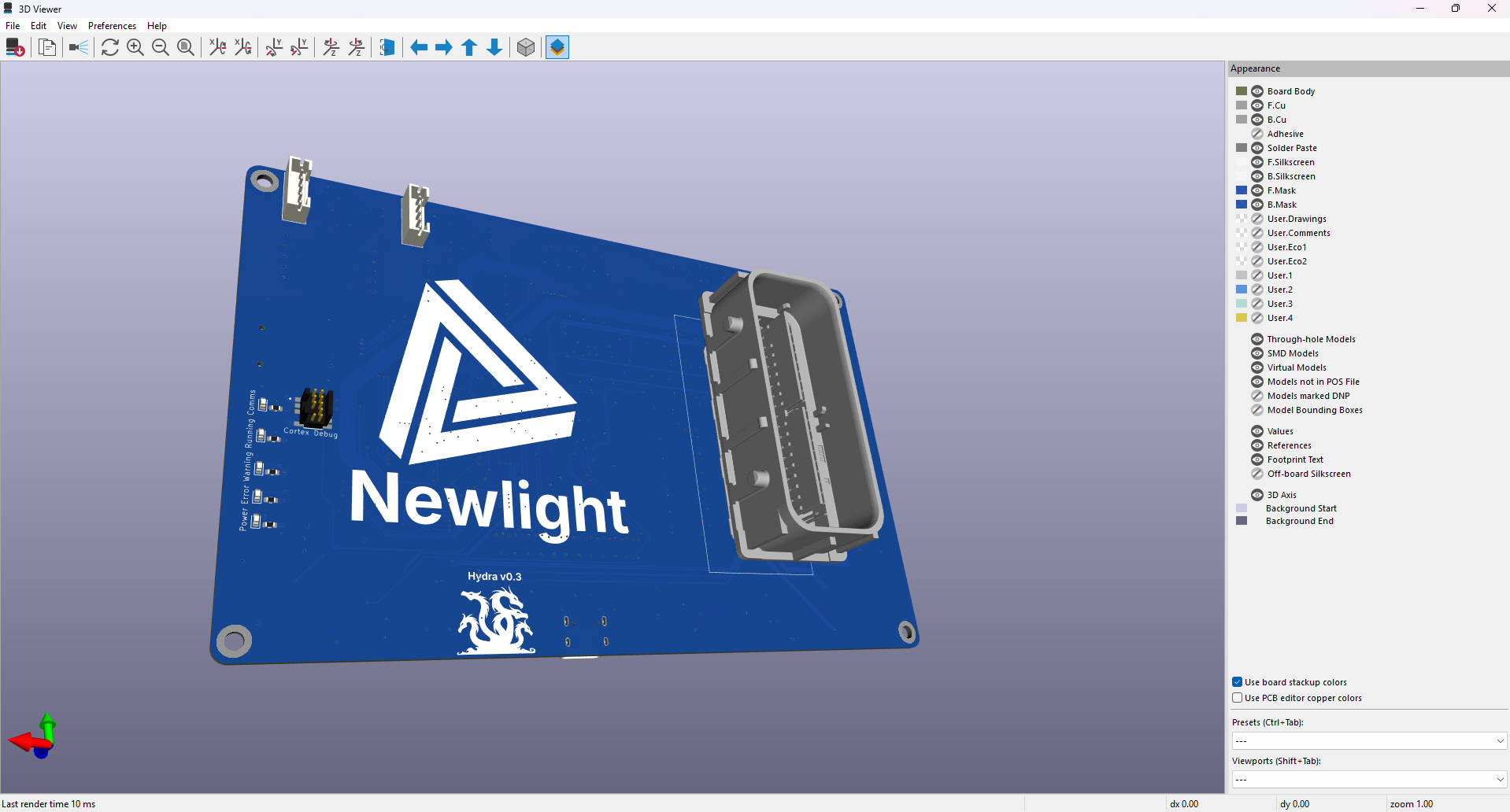
    The NL–01 reads engine load and safety conditions in real time, then meters the precise hydrogen flow needed before it reaches the engine.

Already deployed. Built to scale.

Newlight is designed for commercial vessels already in service, across a range of engine configurations and operating profiles.

Each deployment begins with the installed engine, duty cycle, available space, and class requirements. Hydrogen supply, control, and injection hardware are configured around the vessel's existing diesel system, with interfaces, safeguards, and calibration engineered for main propulsion or auxiliary power.

Once a configuration is engineered and validated for a specific engine platform, it can be carried to sister vessels with compatible engines and layouts—reducing repeated design work without treating every vessel as identical.

Commercial vessel underway at sea
Typical deployment

From vessel survey to commissioned operation, each retrofit is planned around the ship's existing maintenance schedule.

1.Survey the vessel

Document the engine configuration, machinery-space footprint, vessel interfaces, operating profile, and planned maintenance window. This establishes the physical and operational baseline for the retrofit.

2.Design the integration

Develop the vessel-specific arrangement for hydrogen delivery, control, injection, and safety systems. Interfaces and class requirements are coordinated around the existing engine before installation begins.

3.Fit the hardware

Install and connect the modular hardware during the vessel's planned maintenance period. The work is sequenced to limit disruption while retaining the existing diesel system.

4.Return to service

Commission the system, verify its safety functions, and tune hydrogen delivery across representative engine loads. The crew receives operating guidance before the vessel resumes service.